
Blog
Amazonian Elephant’s Ear Indoors

Amazonian Elephant's Ear Indoors
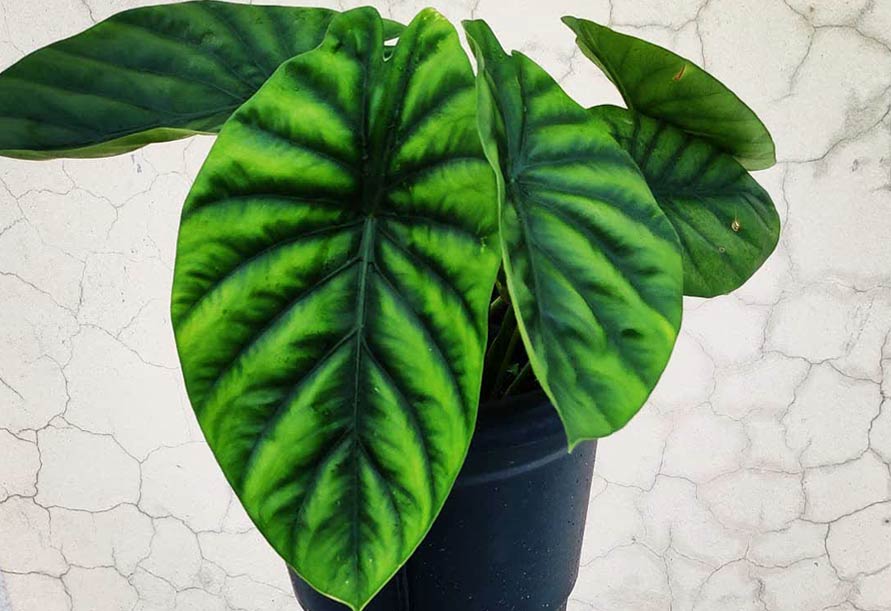
Amazonian Elephant’s Ear indoors, scientifically known as Alocasia × amazonica, belongs to the Araceae family. Although it is often associated with tropical Asia, this plant is actually a cultivated hybrid derived from Southeast Asian Alocasia species. It is widely grown as an elephant ear plant indoors because of its bold foliage, deep green leaves, and striking white veins.
Its leaves are heart- to arrow-shaped, and in optimal conditions, related elephant ear species can produce leaves up to 90 cm long, although indoor plants are usually smaller. This plant is toxic to pets and children if ingested, so it should be kept out of reach.
You may also see it marketed as Alocasia Polly or the African mask plant. In this article, we’ll cover the essential care conditions for keeping Amazonian Elephant’s Ear indoors in homes and apartments. Please continue reading with AloPlant.
| Jan | Feb | Mar | Apr | May | Jun | Jul | Aug | Sep | Oct | Nov | Dec | |
|---|---|---|---|---|---|---|---|---|---|---|---|---|
| Sowing |  |
|
|
|
|
|
|
|
|
|
|
|
| Harvesting |  |
|
|
| J | F | M | A | M | J | J | A | S | O | N | D | |
|---|---|---|---|---|---|---|---|---|---|---|---|---|
| Sowing | ||||||||||||
| Harvesting |
| Botanical Name | Alocasia x amazonica |
| Common Name | Amazonian elephant’s ear |
| Plant Type | Tropical |
| Pet / Baby Safe | Toxic to humans and pets |
| Sun Exposure | Partial |
| Hardiness Zones | 9 to 11 |
| Bloom Time | Spring, summer (rarely blooms) |
| Soil Type | Moist, well-drained |
| Soil Amendments | text here |
| Types of Fertilizer | text here |
| Flower Color | Green |
| Foliage Color | deep green |
| Plant Height | 12–24 in. tall, 12–24 in. wide |
| Native Area | Asia |
Introducing Amazonian Elephant’s Ear Indoors
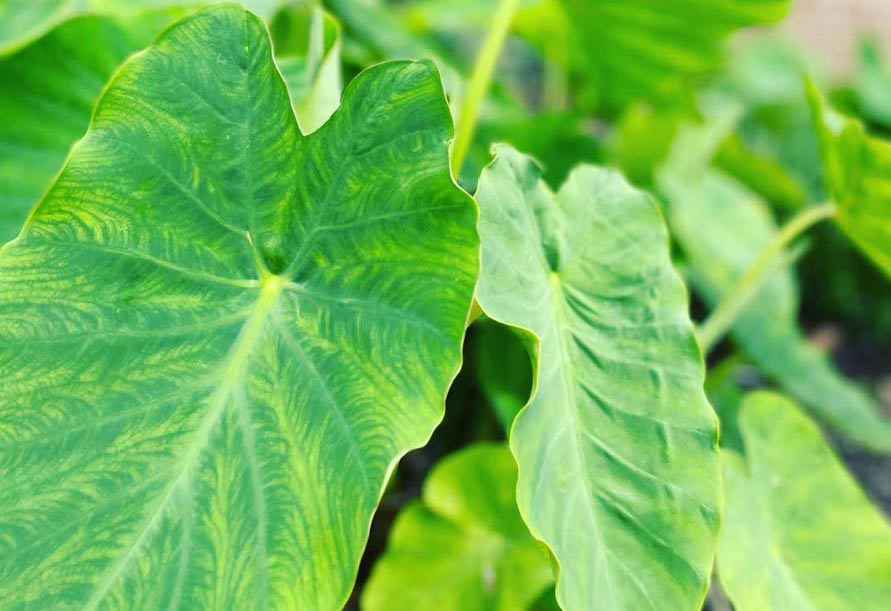
The Amazonian Elephant’s Ear is one of the most popular ornamental plants in tropical and subtropical Asia and is best suited to relatively humid environments. Many people know it by the shape of its leaves, which resemble elephant ears, and that unique foliage is the main reason it is grown indoors.
Leaf size and overall growth can vary depending on the conditions you provide. When the plant receives stronger indirect light and steady humidity, it typically produces larger, healthier leaves. The stems are upright and firm, supporting the broad foliage that makes this Alocasia so distinctive.
How Big Do Amazonian Elephant’s Ear Leaves Grow Indoors?
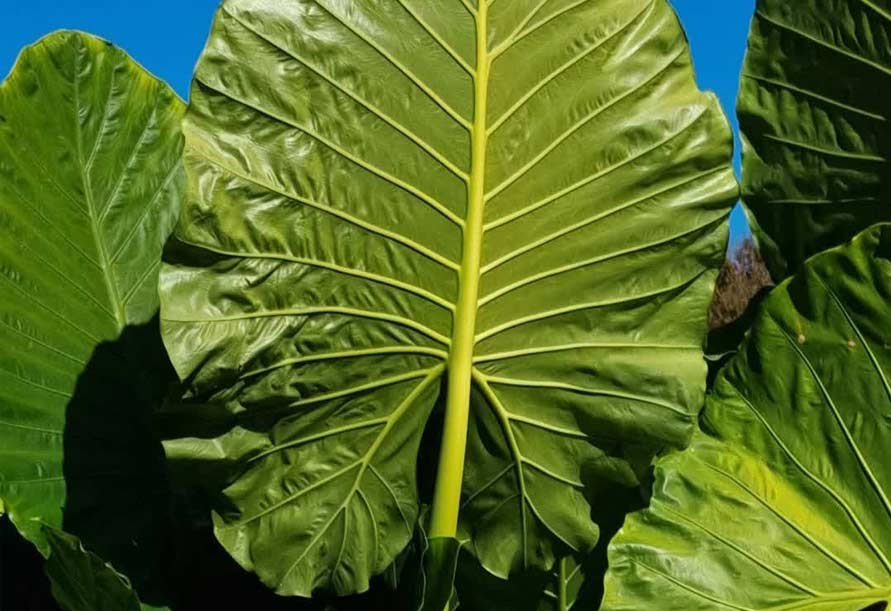
Elephant ear plants are often grown outdoors in warm climates, but they can also be grown as impressive indoor plants. Under strong, stable conditions, leaves on related elephant ear varieties may reach up to 90 cm.
In typical indoor care, Amazonian Elephant’s Ear leaves are usually smaller, and the final size depends mainly on the plant’s variety, maturity, and the consistency of light and humidity. In general, brighter indirect light supports better leaf expansion, while low light tends to keep leaves smaller.
Ideal Temperature for Amazonian Elephant’s Ear Indoors
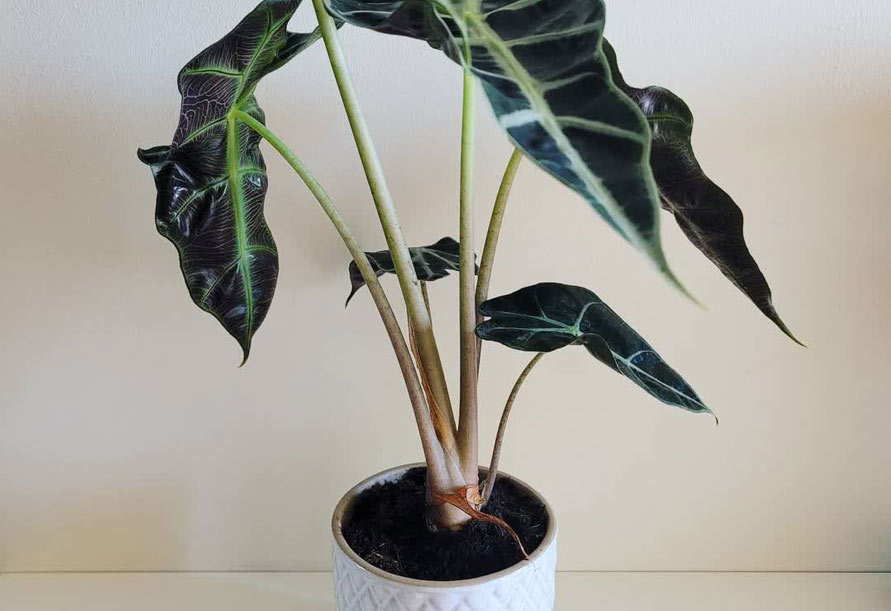
Alocasia is a tropical, heat-loving plant that can struggle when temperatures drop below 15.5°C. While occasional temperature dips may be tolerated, repeated exposure to cooler air can slow growth and trigger stress over time. In colder conditions, some varieties may go dormant, and sensitive plants may decline.
For steady indoor growth, keep the plant in a warm environment and avoid placing it near drafty windows, exterior doors, or areas where temperatures swing significantly.
Ideal Humidity for Amazonian Elephant’s Ear Indoors
Amazonian Elephant’s Ear indoors performs best with higher humidity. Dry air can weaken the plant and often leads to leaf edge browning. To support healthier growth, aim for a humid indoor environment and avoid locations where air is consistently dry.
A practical way to raise humidity is to place the pot on a tray filled with pebbles and water, making sure the pot is not sitting directly in water. It is also recommended to keep the plant away from cold parts of the home and away from air conditioners, because sudden cold airflow can stress the foliage.
Best Soil for Amazonian Elephant’s Ear Indoors
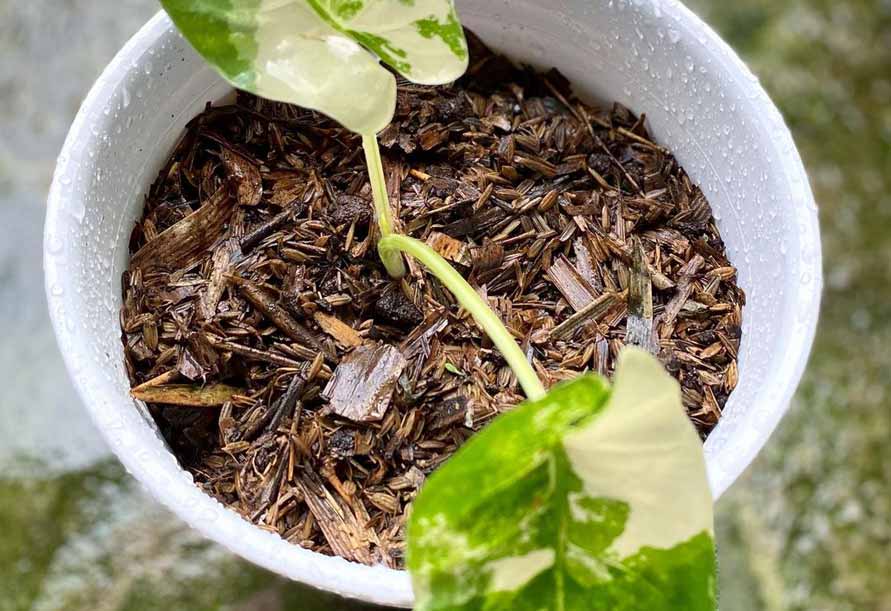
When choosing soil for Alocasia × amazonica, the most important factor is balance: the soil should hold some moisture but still drain quickly and remain airy. A porous mix supports root health and reduces the risk of rot.
Heavy soils that stay wet for too long often lead to root decay and serious decline. For indoor growing, a well-draining mix enriched with organic matter and improved with aeration components such as perlite or bark helps the plant stay stable and healthy.
Light Requirements for Amazonian Elephant’s Ear Indoors
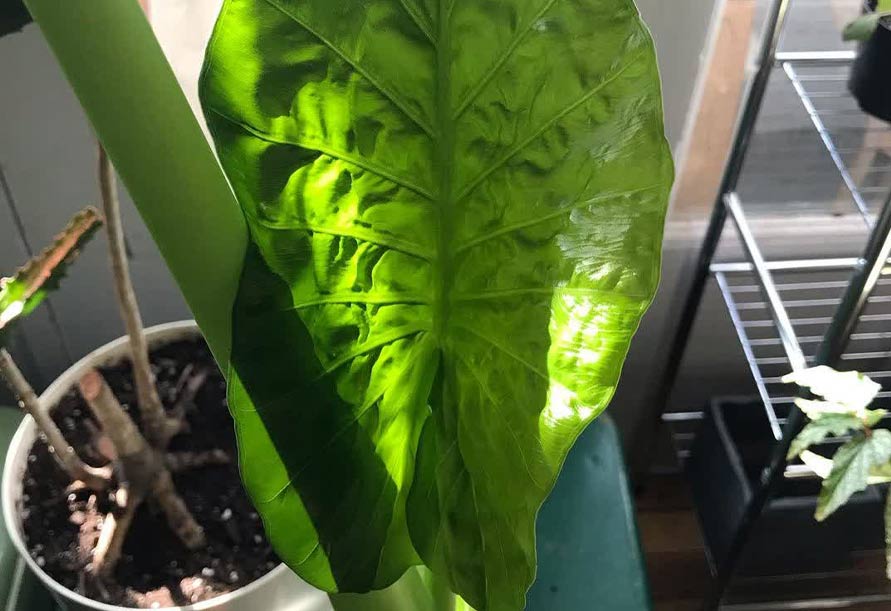
Keeping this plant in direct sunlight is a common mistake because strong sun can scorch the leaves, dry them out, and lead to leaf drop. Although Alocasia is a light-loving plant, it prefers bright indirect light indoors.
If possible, provide a short period of gentle sun exposure during cooler parts of the day, but avoid harsh midday light. If your home does not receive enough natural light, grow lights can help. It is also best to avoid moving the plant frequently, because Amazonian Elephant’s Ear prefers a stable environment and may react poorly to repeated changes.
Popular Types of Amazonian Elephant’s Ear (Alocasia Varieties)
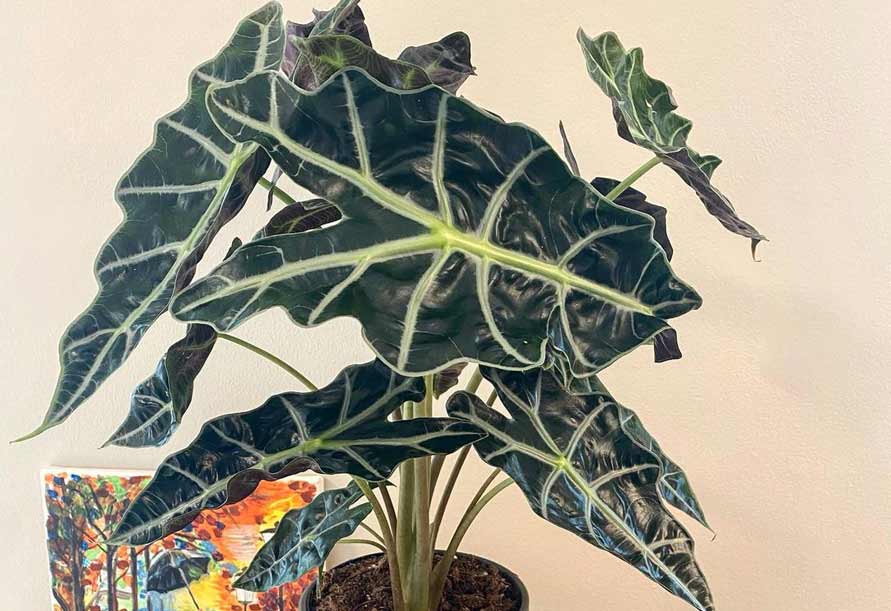
There are many Alocasia species and hybrids. Some are species plants, while others are cultivated hybrids. Many indoor growers prefer the hybrids because leaf shape, color contrast, and overall appearance are often more dramatic.
Some commonly known varieties include Alocasia sanderiana, Alocasia × amazonica, and Alocasia macrorrhiza.
Alocasia Sandriana
This variety has very dark green leaves with bold, visible veins. The long leaf shape and defined edges create a strong decorative look, and the contrast along the leaf surface and margins makes it especially popular as an indoor foliage plant.
Amazon Alocasia
This variety has leathery leaves with wavy edges and an arrow-shaped form. Its foliage may show green and bronze tones, and under strong conditions the leaves can grow to around 60 cm.
Alocasia macrorrhiza
This is a much larger elephant ear plant. In outdoor tropical environments, the leaves can reach around one meter long and one meter wide, and the plant can grow several meters tall.
How to Propagate Amazonian Elephant’s Ear Indoors?
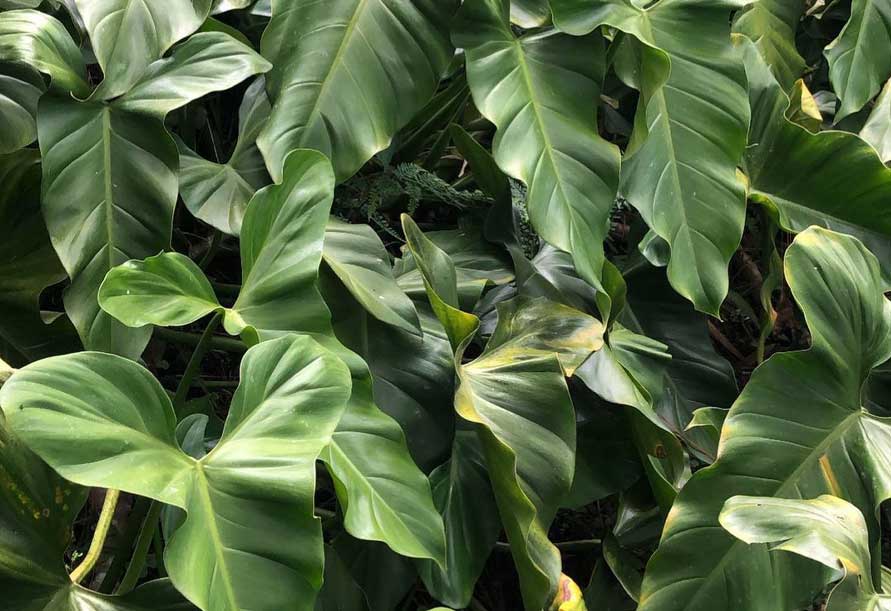
Most Alocasia plants are propagated by dividing their rhizomes. To do this, carefully remove the plant from the pot and locate the rhizome. Then separate a piece of rhizome that includes healthy roots.
The separated section should not be too small, because it needs enough stored energy and root mass to grow independently. After division, plant it in a separate pot and keep it warm and humid until you see new growth. Once it has established, you can care for it like the original plant.
Best Fertilizer for Amazonian Elephant’s Ear Indoors
Amazonian Elephant’s Ear responds well to feeding during the growing season. During spring and summer, you can use a standard liquid houseplant fertilizer, following the instructions on the product label.
You can also use a small amount of slow-release granular fertilizer. Avoid using fertilizer that is too strong, because excess salts can build up in the soil and cause leaf burn or weakened roots over time.
Why Do Amazonian Elephant’s Ear Leaves Turn Brown?
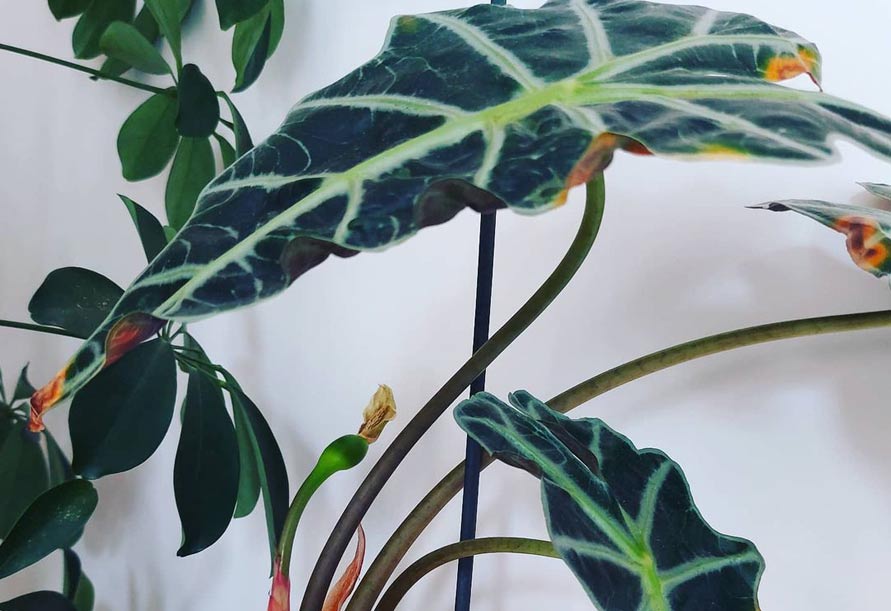
Brown leaf edges typically have two main causes. The first and most common is low humidity. This plant grows best in moist air, and dry indoor conditions often cause the leaf margins to brown.
If humidity is already adequate, another common reason is the buildup of fertilizer salts in the soil. In that case, flushing the soil gently with water every two to three months can help remove accumulated salts and support healthier foliage.
Common Pests on Amazonian Elephant’s Ear Indoors
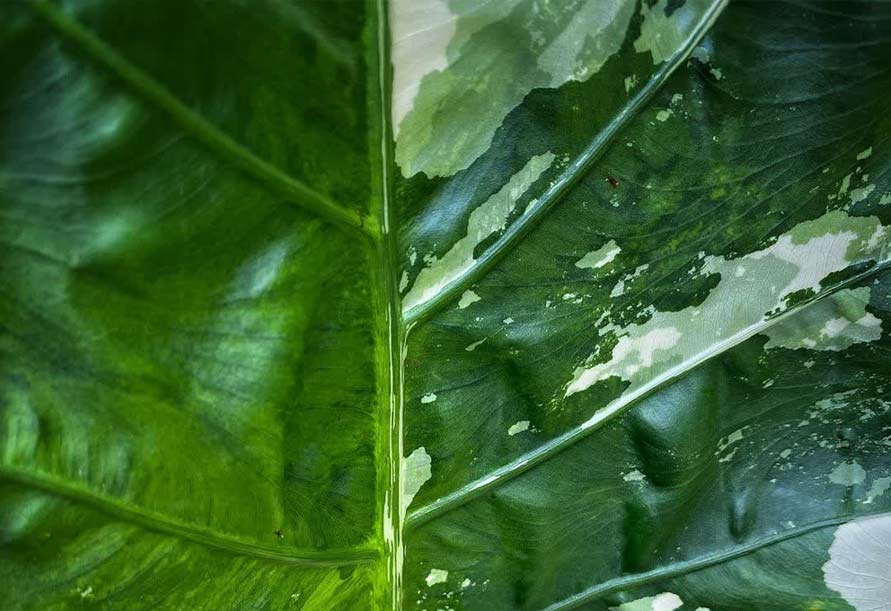
Spider mites
If you notice fine webbing on the leaves and yellowing foliage, spider mites may be present. When this happens, isolate the plant from other houseplants to prevent spread. Removing heavily affected leaves and washing the plant can help reduce the infestation. In severe cases, using an appropriate acaricide may be necessary.
Mealybugs
Mealybugs often appear as white, cotton-like clusters on the plant. A common way to remove them is to gently clean the affected areas with a cotton ball or swab and thoroughly wipe the leaves and stems.
Conclusion
Amazonian Elephant’s Ear indoors remains one of the most attractive options for homes and apartments, especially for plant lovers who want bold tropical foliage. This plant is toxic to pets and children, and it performs best with stable warmth, higher humidity, airy well-draining soil, and balanced watering.
This guide covered the essential indoor care points for Amazonian Elephant’s Ear. If you have questions or want help troubleshooting a specific issue with your plant, ask in the comments—AloPlant will help you with clear, practical guidance.
RELATED POSTS




Super informative and well written.
Woow, amazing tips! My plant finally looks better.
woow, amazing